
Owning a car can sometimes feel like a daunting responsibility, but a few simple maintenance habits can ward off bigger issues down the road. In the intricate dance of pistons, belts, and fluids, these small acts of care can extend your vehicle's life, ensure safety, and save money. Embrace the art of preventive care and keep your car purring smoothly with these easy yet crucial habits.
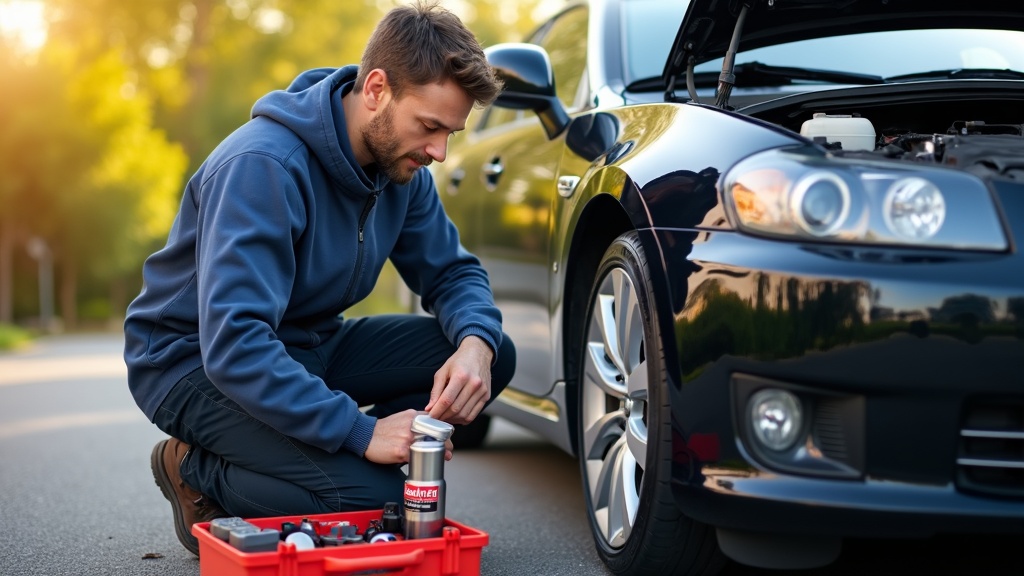
Regular Oil Checks and Changes
Oil, the lifeblood of your vehicle, requires regular attention. Check your oil level once a month and follow the manufacturer's recommendations for oil changes. Fresh oil reduces friction between parts and removes impurities, extending engine life. As Sarah Thompson, a long-time car enthusiast, notes, 'Skipping oil changes is like playing with fire; it might burn you when you least expect it.'
Tire Pressure and Tread Depth
Proper tire maintenance ensures safety and longevity. Check tire pressure monthly and adjust according to the manufacturer’s specifications. Additionally, inspect tread depth to avoid skidding on wet roads. John Everett, a well-respected automotive expert, reminds us, 'Your tires are the only thing connecting you to the road. Keep them in top shape, and they’ll take care of you.'
The Magic of Fluids
Beyond oil, your vehicle relies on other critical fluids to function properly – brake fluid, transmission fluid, coolant, and more should be regularly inspected and topped up. Lisa Martinez, an auto repair specialist, warns, 'Neglecting fluid levels can lead to mechanical issues. It’s the little things that keep the big things in order.'
Battery Care Tips
A dead battery can leave you stranded and frustrated. Routinely inspecting your battery for corrosion, ensuring a snug fit, and testing its charge level can prevent unexpected failures. Michael Yang, a certified mechanic, points out, 'Your battery is like the heart of your vehicle. A bit of attention can spare you the headache of a dead car on a busy day.'
The Lights Check
From headlights to brake lights, keeping your car’s lights functioning is crucial for safety. A simple walk-around inspection can reveal any bulbs in need of replacement. Mark Harrington, who conducted vehicle safety seminars, advises, 'Inadequate lighting affects visibility for you and others. It’s as easy as testing a switch to ensure your lights shine bright.'
Brake Inspection Protocol
Your car's brakes are paramount to safety and should be regularly checked for wear and efficiency. Listen for unusual noises or a spongy brake pedal feeling which might indicate deeper issues. Automotive technician Emily Lawson claims, 'Checking brakes regularly is non-negotiable. It’s about keeping you and your passengers safe.'
Air Filters Matter
A clean air filter improves fuel efficiency and performance. Consider checking your air filter every 12,000 miles or once a year and replace it if it appears dirty. Robert Nielson, an eco-friendly driving instructor, concurs, 'A small component like the air filter plays a big role in your engine’s health and your wallet’s happiness.'
Keep It Clean
Regular cleaning isn't just about aesthetics. Dirt and grime can lead to scratches or even corrosion. Taking time to clean the exterior and interior also prevents buildup of damaging substances. Emma Keller, who hosts car care workshops, explains, 'A clean car is a happy car. It's not just about pride but about maintaining value and preventing damage.'
Wax On, Rust Off
Waxing your car's exterior can protect the coat of paint and shield it from rust, which is a car owner’s nemesis. Aim to wax your car every six months. Tony Vargas, an auto detailing specialist, notes, 'Waxing is your car's armor against the elements. A small effort today prevents a significant problem tomorrow.'